Water-Efficient Landscape Design: Practical Ideas
Transform your garden with water-efficient designs. Save water, thrive in style.

# Water-Efficient Landscape Design: Practical Ideas
Introduction
Imagine stepping out into your backyard on a sunny day, the scent of blooming lavender wafting through the air, bees gently buzzing from flower to flower. Your garden is lush and vibrant, yet you've managed to keep your water bill low and do your part for the environment. How is this possible? Through the strategic use of water-efficient landscape design.
In this comprehensive guide, you'll discover actionable strategies to transform your outdoor space into a beautiful, sustainable oasis that conserves water without sacrificing style or functionality. We'll explore the principles of xeriscaping, delve into plant selection, and provide step-by-step instructions for creating a landscape that thrives on minimal water. By the end, you'll be equipped with the knowledge to create a garden that's not only eco-friendly but also a reflection of your personal aesthetic.
Water-efficient landscape design goes beyond just choosing drought-tolerant plants; it's about creating a holistic ecosystem that supports local wildlife, reduces maintenance, and enhances the natural beauty of your property. Whether you're a seasoned gardener or a complete novice, this guide will provide you with insights and practical tips to make the most of your outdoor space.
Why This Matters
Water-efficient landscaping is not just a trend; it's a necessity. With climate change affecting weather patterns and increasing the frequency of droughts, conserving water has become more crucial than ever. Implementing a water-efficient landscape offers several significant benefits:
- Environmental Impact: By reducing water usage, you contribute to the conservation of precious water resources. According to the Environmental Protection Agency (EPA), landscapes consume more than 30% of a household's water use on average. Implementing water-efficient methods can cut this usage by up to 50%.
- Cost Savings: Lower water bills are a direct financial benefit of efficient landscaping. A case study from a community in California showed that homeowners who switched to xeriscaping saved an average of $200-$500 annually on water bills.
- Resilience and Low Maintenance: Water-efficient landscapes are designed to withstand dry spells and require less maintenance. This means less time spent watering, mowing, and fertilizing, making it an ideal choice for busy homeowners.
- Aesthetic Appeal: When done correctly, water-efficient landscapes can be incredibly beautiful. By utilizing native plants and thoughtful design, you can create a garden that offers year-round color, texture, and interest.
Understanding the Fundamentals
Water-efficient landscape design, often referred to as xeriscaping, is based on principles that minimize water use while maximizing garden health. Let's break down these core concepts:
- Soil Analysis and Improvement: Understanding your soil type is crucial. Sandy soils drain quickly, while clay soils retain water. Amending soil with organic matter can improve water retention and plant health.
- Hydrozoning: Grouping plants according to their water needs ensures that each plant receives the right amount of moisture. This technique prevents overwatering and under-watering.
- Mulching: A layer of mulch can reduce evaporation, suppress weeds, and improve soil health. Organic mulches like bark or compost are recommended for their nutrient benefits.
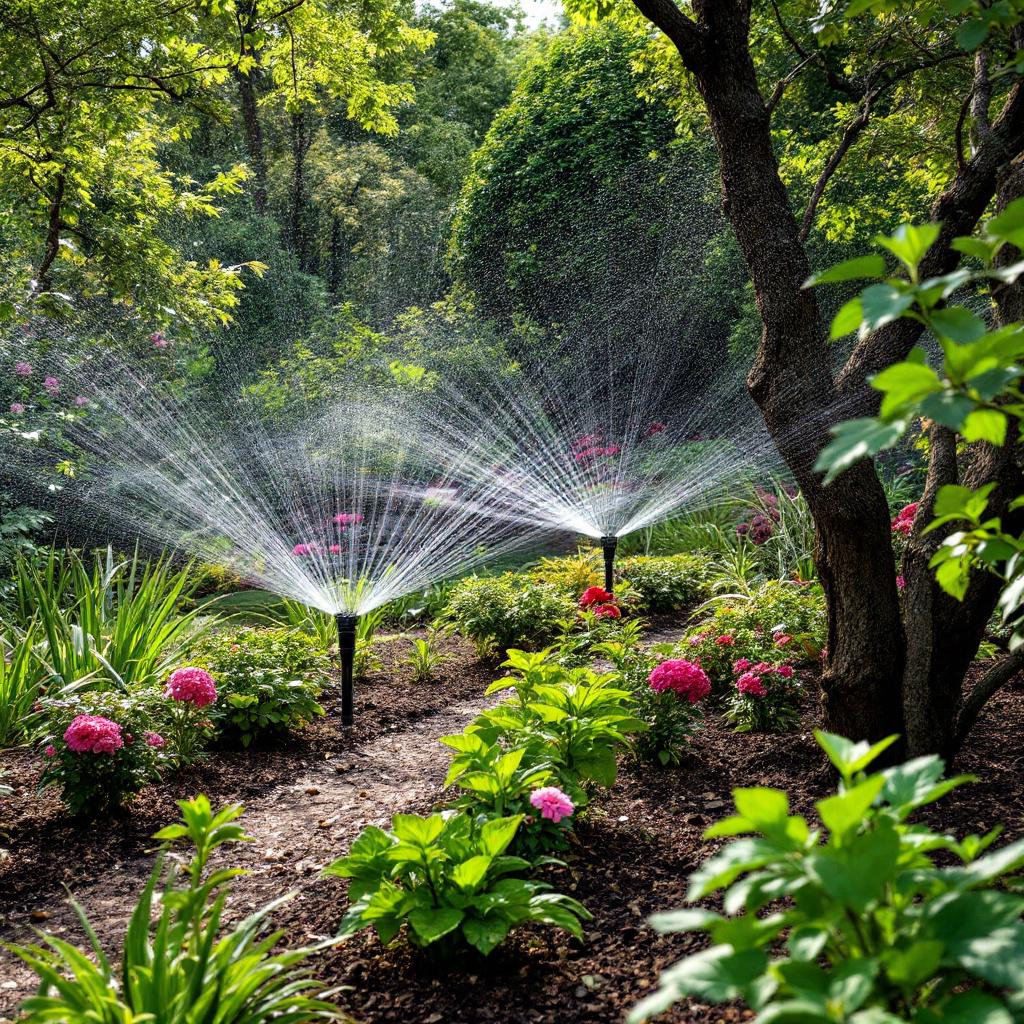
- Efficient Irrigation Systems: Drip irrigation and soaker hoses deliver water directly to the roots, reducing wastage. Smart controllers and rain sensors adjust watering schedules based on weather conditions.
- Native and Drought-Tolerant Plants: Selecting plants that are adapted to local climate conditions reduces the need for supplemental watering. These plants are often more resistant to pests and diseases.
Planning and Preparation
Before diving into the design process, a thorough assessment of your site is crucial. Here’s how to get started:
Site Assessment
- Sun and Shade Analysis: Monitor how sunlight moves across your garden throughout the day to determine sunny and shady areas.
- Soil Testing: Use a soil test kit to check pH and nutrient levels. Amend soil as needed for optimal plant health.
- Water Drainage: Observe how water moves and drains in your landscape. Identify areas prone to waterlogging or erosion.
Materials and Tools
For a successful project, gather these essential tools and materials:
- Garden Hose and Sprinkler: Consider water-efficient models like the Melnor XT Turbo Oscillating Sprinkler.
- Mulch: Organic options such as shredded bark or compost.
- Soil Amendments: Compost or peat moss to improve soil structure.
- Irrigation Supplies: Drip irrigation kits like the Raindrip R560DP Automatic Drip Irrigation Kit.
Budget Considerations
Creating a water-efficient landscape doesn't have to break the bank. Here's a rough budget outline:
- Plants: $200-$500 depending on species and quantity
- Irrigation System: $150-$300
- Mulch and Soil Amendments: $100-$200
Timeline Expectations
A project like this typically unfolds over a few weeks to a couple of months:
- Week 1-2: Site assessment and planning
- Week 3-4: Soil preparation and initial planting
- Week 5 onwards: Installation of irrigation system and mulching
Permits and Regulations
Before starting, check local regulations regarding landscaping, especially if altering drainage patterns or removing large trees, as permits may be required.

Step-by-Step Implementation Guide
Here’s a detailed guide to creating your water-efficient landscape:
- Design Layout
- Use graph paper or a digital tool like SketchUp to map out your garden. Identify zones for high, medium, and low water use.
- Pro Tip: Keep pathways and patios in mind to enhance accessibility and design flow.
- Soil Preparation
- Clear the area of existing vegetation. Amend soil with compost to improve structure and nutrient content.
- Safety Consideration: Wear gloves and a mask to protect against allergens and dust.
- Hydrozoning
- Group plants by water needs. Place high-water plants in low areas where water collects naturally.
- Planting
- Choose plants suited to your climate. For example, Lavandula angustifolia (Lavender) for sunny areas.
- Spacing: Plant 18 inches apart to allow for growth and air circulation.
- Installing Irrigation
- Lay out drip lines or soaker hoses, ensuring they reach the root zones of plants. Use a timer to optimize watering schedules.
- Pro Tip: Test the system to ensure even water distribution before covering with mulch.
- Mulching
- Apply a 2-3 inch layer of mulch around plants, avoiding direct contact with stems to prevent rot.
- Tip: Refresh mulch annually to maintain its benefits.
- Creating Hardscapes
- Incorporate permeable materials like gravel or pavers to reduce runoff and enhance aesthetics.
- Edging and Borders
- Define garden beds with stone or metal edging for a clean look and to prevent mulch migration.
- Final Touches
- Add decorative elements like rocks or sculptures to personalize the space.
- Pro Tip: Use large rocks to create focal points and microclimates for certain plants.
Advanced Techniques and Expert Tips
Professional-Level Insights
- Rainwater Harvesting: Install rain barrels to collect runoff from roofs for garden use.
- Greywater Systems: Utilize treated household greywater for irrigation with proper plumbing and filtration.
Efficiency Hacks
- Smart Controllers: Use devices like the Rachio Smart Sprinkler Controller to automate and optimize watering based on weather forecasts.
Quality Improvement Techniques
- Companion Planting: Pair plants with complementary water needs and pest-repelling properties to enhance growth and health.
Seasonal Timing Optimization
- Planting Seasons: Best times are spring and fall when temperatures are moderate and rainfall is more consistent.
Regional Variations and Adaptations
- Desert Areas: Opt for succulents and cacti like Echinocactus grusonii (Golden Barrel Cactus).
- Temperate Zones: Use grasses such as Festuca glauca (Blue Fescue) for texture and drought resistance.
Plant Selection Guide
Choosing the right plants is crucial for a water-efficient garden. Here’s a guide to get you started:
| Plant Name | Light | Water Needs | USDA Zones | Companion Plants |
|------------------------|-------------|-------------|------------|----------------------------------|
| *Lavandula angustifolia* (Lavender) | Full Sun | Low | 5-9 | Rosemary, Sage |
| *Echinacea purpurea* (Coneflower) | Full Sun | Low | 3-9 | Black-eyed Susan, Yarrow |
| *Festuca glauca* (Blue Fescue) | Full Sun | Low | 4-8 | Sedum, Ornamental Grasses |
| *Salvia nemorosa* (Wood Sage) | Full Sun | Low | 4-8 | Catmint, Coneflower |
| *Achillea millefolium* (Yarrow) | Full Sun | Low | 3-9 | Lavender, Ornamental Grasses |
| *Sedum spectabile* (Stonecrop) | Full Sun | Low | 3-9 | Blue Fescue, Coneflower |
| *Euphorbia characias* (Mediterranean Spurge) | Full Sun | Low | 6-9 | Lavender, Thyme |
| *Agave americana* (Century Plant) | Full Sun | Very Low | 8-11 | Yucca, Red Hot Poker |
| *Phlomis fruticosa* (Jerusalem Sage) | Full Sun | Low | 7-10 | Lavender, Russian Sage |

Maintenance and Long-Term Care
Seasonal Maintenance Calendar
- Spring: Refresh mulch, inspect irrigation systems, and prune dead plant material.
- Summer: Monitor for pests, adjust watering schedules based on weather.
- Fall: Clean up fallen leaves, divide perennials as needed.
- Winter: Protect sensitive plants with frost cloth, reduce watering.
Watering Schedules
- Adjust based on plant needs and weather conditions. Drip systems typically run 2-3 times per week during peak growing seasons.
Fertilization Requirements
- Use slow-release fertilizers in spring to promote healthy growth. Avoid over-fertilizing, which can lead to excessive water needs.
Pruning Guidelines
- Prune after flowering for plants like lavender to encourage a second bloom and maintain shape.
Pest and Disease Prevention
- Encourage beneficial insects like ladybugs. Use natural remedies such as neem oil for pest control.

Common Mistakes to Avoid
- Overwatering: Excessive water can harm plants and lead to root rot. Use soil moisture sensors to monitor levels.
- Ignoring Soil Type: Planting without considering soil compatibility can stunt growth. Amend soil based on plant needs.
- Poor Plant Selection: Choosing non-native or high-water plants can lead to high maintenance. Research plant requirements thoroughly.
- Inadequate Mulching: Mulch that’s too thin won’t suppress weeds or retain moisture. Apply at least 2 inches.
- Improper Irrigation Setup: Leaks or clogs can waste water. Regularly inspect and maintain systems.
- Neglecting Maintenance: A lack of regular care can lead to overgrowth and pest issues. Follow a seasonal maintenance schedule.
- Ignoring Local Regulations: Not checking for permits can lead to fines. Always verify legal requirements before starting.
- Skipping Site Assessment: Failing to analyze your site can lead to poor design choices and plant failures.
Troubleshooting Guide
Common Problems with Solutions
- Wilting Plants: Check soil moisture; overwatering and underwatering can both cause wilting.
- Yellowing Leaves: May indicate nutrient deficiency; test soil and amend as necessary.
Diagnostic Steps
- Soil Test Kit: Use to diagnose pH and nutrient levels.
- Visual Inspection: Regularly check plants for signs of pests or diseases.
When to Seek Professional Help
- Persistent Pest Issues: If natural remedies fail, consult a pest control specialist.
- Complex Irrigation Problems: For major leaks or system failures, hire a certified irrigation contractor.
Emergency Interventions
- Severe Drought: Implement temporary shading and prioritize watering for most vulnerable plants.
Frequently Asked Questions
1. How can I start a water-efficient garden on a budget?
Start small by incorporating native plants and simple DIY drip irrigation systems. Utilize free online resources for design inspiration.
2. What are the best drought-tolerant plants for my region?
Consult local extension services or plant nurseries for recommendations tailored to your climate and soil type.
3. How often should I water my xeriscaped garden?
Water deeply and infrequently, allowing soil to dry between sessions. This encourages deep root growth.
4. Can I implement a water-efficient landscape in a shaded area?
Yes, select shade-tolerant, drought-resistant plants like Heuchera or Hosta.
5. What is the role of mulch in water conservation?
Mulch reduces evaporation, moderates soil temperature, and suppresses weed growth, all of which help conserve water.
6. How do I maintain my irrigation system?
Regularly clean filters and check for leaks. Adjust emitters to ensure even water distribution.
7. Can I convert my existing garden into a water-efficient one?
Yes, by gradually replacing high-water plants with drought-tolerant varieties and installing efficient irrigation.
8. How do I integrate edible plants into a water-efficient garden?
Choose drought-tolerant edibles like herbs (rosemary, thyme) and certain vegetables (tomatoes, peppers).
9. What permits do I need for rainwater harvesting?
Check with local authorities as regulations vary widely regarding the installation of rain barrels or cisterns.
10. How can I attract wildlife to my water-efficient garden?
Plant native species that provide food and habitat for pollinators and birds.
Conclusion
Incorporating water-efficient landscape design into your outdoor space is a rewarding endeavor that benefits both you and the environment. By following the guidelines and tips outlined in this article, you'll be able to create a beautiful, sustainable garden that thrives with minimal water use. From understanding the fundamentals to selecting the right plants and maintaining your garden, this comprehensive guide equips you with the tools to succeed.
As you embark on this journey, remember that patience and observation are key. Your garden will evolve, and adjustments may be necessary to meet its needs. Don't hesitate to seek professional advice when faced with complex challenges. Ready to transform your landscape? Consider using a Landscape Designer app to visualize and plan your dream garden efficiently.

Ready to Design Your Perfect Landscape?
Use augmented reality to visualize plants and features in your actual yard.
Download Free on App Store