Create a Zen Garden: A Complete Homeowner\'s Guide
Discover how to design and build a peaceful Zen garden with actionable steps, plant choices, and maintenance tips for lasting tranquility.

# Introduction
Imagine stepping outside into a serene oasis where every element is carefully curated to promote peace and tranquility. The world fades away, leaving only the gentle rustling of leaves and the soft crunch of gravel underfoot. This is the essence of a Zen garden, a space designed not just for aesthetic appeal but for mindfulness and meditation. In this comprehensive guide, you’ll learn how to create your own Zen garden, from the initial planning stages to the finishing touches. By the end of this article, you'll have all the knowledge you need to transform a part of your yard into a calming retreat, offering a space for reflection and relaxation.
Creating a Zen garden is about more than just landscaping; it's about crafting a sanctuary that reflects simplicity and balance. These gardens, rooted in ancient Japanese tradition, are designed to inspire a sense of peace and contemplation. Whether you have a sprawling backyard or a small city plot, a Zen garden can be adapted to fit any space, offering an escape from the daily hustle and bustle.
In this guide, we’ll delve into the many aspects of Zen garden creation, from understanding the philosophical underpinnings to selecting the perfect plants and materials. You'll gain insights into not only the practical steps but also the deeper meaning behind each choice you make. By the end, you'll have a beautifully designed garden that serves as a personal retreat.
Why This Matters
Zen gardens are not merely decorative but serve a deeper purpose. They are designed to foster meditation and mindfulness, offering a retreat from the stresses of everyday life. Here are some major benefits of having a Zen garden:
- Promotes Relaxation and Stress Relief: Studies have shown that spending time in nature can reduce stress levels and promote relaxation. A Zen garden amplifies these benefits by providing a dedicated space for introspection.
- Enhances Your Property's Value: A well-designed garden can significantly enhance your property's curb appeal and market value. Zen gardens, with their unique aesthetic and cultural significance, can make your home stand out.
- Encourages Mindfulness: The act of tending to a Zen garden can be a form of meditation, helping you stay present and mindful. The process of raking gravel or arranging stones can be both therapeutic and grounding.
- Low Maintenance: Compared to traditional gardens, Zen gardens are relatively low maintenance. They require less watering and pruning, making them ideal for busy homeowners or those wanting a sustainable garden option.
Real-life example: A homeowner in Seattle transformed their small urban backyard into a Zen garden and reported a significant decrease in stress and an increase in property value. They noted the garden became a focal point for gatherings, offering a unique and calming environment for guests.
Understanding the Fundamentals
To create an authentic Zen garden, it's essential to understand the core concepts and historical context that define this unique gardening style. At its heart, a Zen garden is a symbolic representation of nature, often incorporating elements such as rocks, gravel, water features, and carefully chosen plants.
Key Terminology:
- Karesansui (枯山水): Literally translates to "dry landscape." This is the traditional term for Zen gardens, which often feature gravel or sand raked to resemble ripples in water.
- Shakkei (借景): Means "borrowed scenery." This technique involves incorporating the surrounding landscape into the garden's design to create a sense of continuity and harmony.
- Wabi-sabi (侘寂): This Japanese aesthetic emphasizes the beauty of imperfection and transience, encouraging simplicity and natural beauty.
Historically, Zen gardens have been used by Buddhist monks as a tool for meditation. Their minimalist design is intended to inspire contemplation, representing natural elements in an abstract form. Understanding these principles will guide your design choices and help ensure your garden remains true to its traditional roots.
Planning and Preparation
Before you begin creating your Zen garden, careful planning and preparation are crucial. This section will guide you through assessing your site, selecting materials, budgeting, and understanding any legal considerations.
Site Assessment
- Space Evaluation: Determine the size and shape of your available space. Zen gardens can be adapted to fit any area, from expansive yards to small balconies.
- Sunlight and Shade: Analyze the sun exposure of your site. Most Zen gardens thrive in partial to full sun, but some plants may require specific light conditions.
- Soil Quality: Test your soil to understand its composition and drainage capabilities. Sandy or loamy soils are ideal, but adjustments can be made as needed.
Materials and Tools
- Gravel or Sand: Choose a light-colored gravel or sand to represent water. Fine gravel is easier to rake into patterns.
- Stones and Rocks: Select various sizes and shapes to create visual interest and represent mountains or islands.
- Rakes and Tools: A specialty Zen rake is ideal for creating intricate patterns. A wheelbarrow, shovels, and gloves are necessary for heavy lifting and planting.

Budget Considerations
- Gravel/Sand: Costs range from $30-$80 per ton.
- Stones/Rocks: Prices vary based on size and type, typically $100-$500 for a comprehensive selection.
- Plants: Depending on species, costs can range from $10-$100 per plant.
Timeline and Regulations
- Timeline: Expect the planning and implementation to take several weeks, depending on the complexity of your design and availability of materials.
- Permits: Check local regulations regarding garden installations, particularly if you're adding structures like fences or water features.
Step-by-Step Implementation Guide
Creating a Zen garden involves a series of methodical steps, each contributing to the overall harmony and balance of the space. Below is a detailed guide to help you through the process.
- Design Your Layout
- Sketch your garden layout, considering the placement of major elements like rocks and gravel. Use graph paper for precision.
- Pro Tip: Incorporate shakkei by aligning features with distant views or existing trees.
- Prepare the Site
- Clear the area of debris, weeds, and existing plants. Level the ground and, if necessary, adjust the soil composition.
- Safety Consideration: Wear protective gear when handling heavy materials.
- Install Borders
- Use wooden or stone borders to define the edges of your garden. These prevent gravel from spreading and help maintain clean lines.
- Place Large Rocks and Stones
- Position your rocks thoughtfully, considering their symbolism and visual impact. Larger stones often represent mountains, while smaller ones can symbolize islands.
- Spread Gravel or Sand
- Evenly distribute gravel or sand across the garden floor. Aim for a depth of 2-3 inches for optimal coverage.
- Create Patterns
- Use a Zen rake to design intricate patterns in the gravel, mimicking the flow of water. Experiment with circles, lines, and swirls.

- Incorporate Plants
- Select plants that thrive in your climate. Place them strategically to enhance the garden's natural look.
- Add Water Features (Optional)
- Consider a small pond or a bamboo water fountain. These elements add auditory tranquility and visual interest.
Advanced Techniques and Expert Tips
To elevate your Zen garden, consider incorporating advanced techniques that enhance its beauty and functionality.
- Lighting: Use subtle, solar-powered lights to illuminate pathways and features at night, enhancing the garden's ambiance.
- Seasonal Adaptations: Adjust plant choices and maintenance routines according to seasonal changes to ensure your garden remains vibrant year-round.
- Regional Variations: Adapt your design to reflect local landscapes, integrating native stones and plants.
Plant Selection Guide
Choosing the right plants is essential for a thriving Zen garden. Here's a guide to help you select the best options for your space.
| Common Name | Latin Name | Sun | Soil | Water | Zone |
|-------------|------------|-----|------|-------|------|
| Japanese Maple | Acer palmatum | Partial | Well-drained | Moderate | 5-8 |
| Bamboo | Bambusoideae | Full | Moist | High | 5-9 |
| Moss | Bryophyta | Shade | Moist | High | 3-9 |
| Azalea | Rhododendron | Partial | Acidic | Moderate | 6-9 |
| Fern | Polypodiopsida | Shade | Well-drained | Moderate | 3-8 |
Maintenance and Long-Term Care
A Zen garden requires ongoing care to maintain its tranquil beauty. Here's a guide to help you keep your garden in top condition.
Seasonal Maintenance Calendar
- Spring: Inspect and clean garden structures. Refresh gravel patterns.
- Summer: Water plants regularly and monitor for pests.
- Fall: Prune trees and shrubs. Remove fallen leaves.
- Winter: Protect delicate plants from frost.
Watering and Fertilization
- Watering Schedule: Water deeply twice a week, adjusting based on rainfall.
- Fertilization: Use a balanced, slow-release fertilizer in spring.
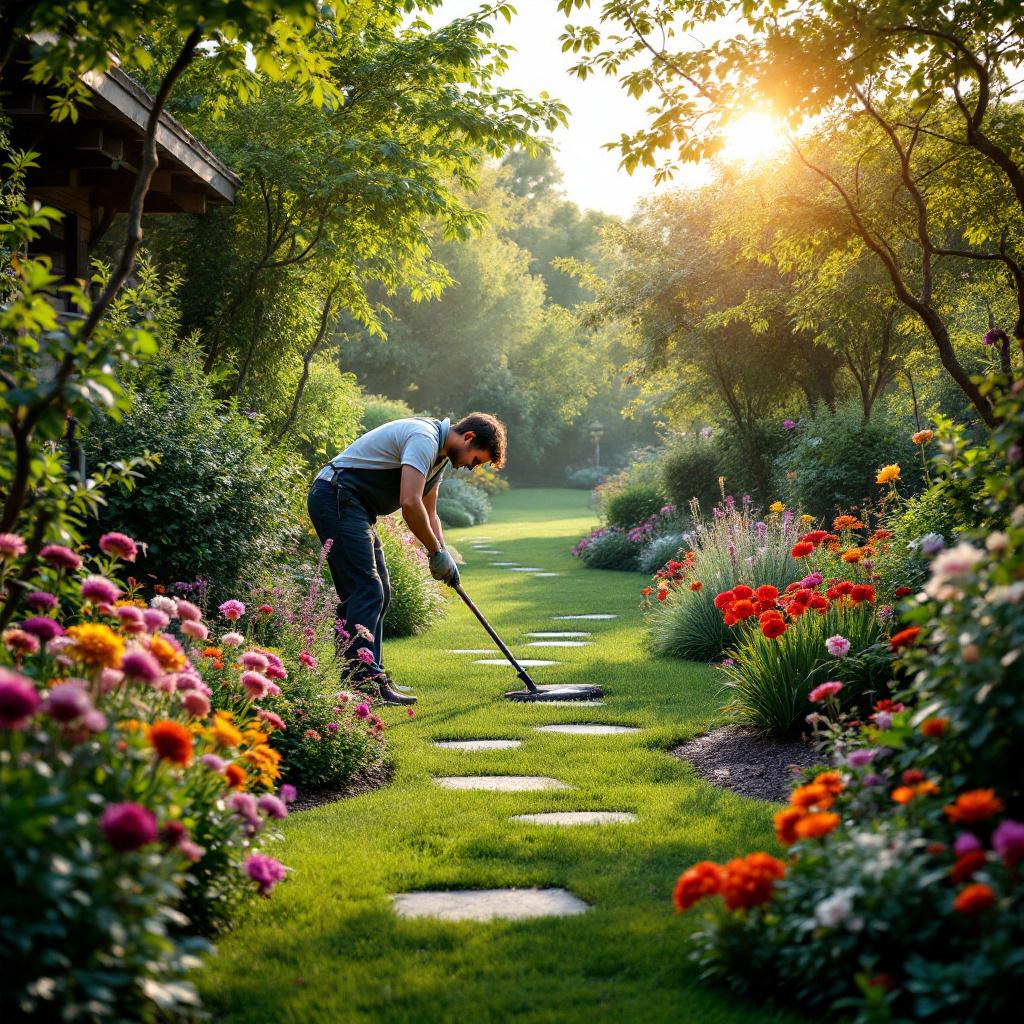
Pruning Guidelines
- Prune to maintain shape and encourage healthy growth. Avoid over-pruning, which can stress plants.
Common Mistakes to Avoid
Creating a Zen garden can be rewarding, but certain pitfalls can detract from its success. Here's how to avoid common mistakes:
- Overcrowding Plants: Leads to competition for resources. Solution: Plan spacing carefully to allow for growth.
- Inconsistent Design Elements: Creates visual chaos. Solution: Stick to a cohesive theme and color palette.
- Neglecting Maintenance: Results in a disheveled appearance. Solution: Establish a regular care routine.
Troubleshooting Guide
Even the best-laid plans can encounter issues. Here's how to troubleshoot common Zen garden problems:
- Problem: Gravel shifts and loses pattern. Solution: Regularly rake and redistribute gravel to maintain design.
- Problem: Plants show signs of stress. Solution: Check for pests, adjust watering, and ensure proper sunlight.
Frequently Asked Questions
- Can I create a Zen garden in a small space? Yes, Zen gardens can be scaled down to fit balconies or small yards. Focus on essential elements and simplicity.
- What are the best plants for a Zen garden? Opt for low-maintenance, non-invasive species like moss, ferns, and Japanese maples.
- How much time does maintenance require? Typically, 1-2 hours a week for raking gravel and tending plants.
- Do I need a water feature? Not necessary, but it can enhance the garden's tranquility.
Conclusion
Creating a Zen garden is a fulfilling endeavor that offers both immediate beauty and long-term tranquility. By following the steps outlined in this guide, you'll be able to design a space that not only enhances your home's aesthetic but also serves as a personal sanctuary for mindfulness and relaxation. Take the first step today and transform your yard into a serene oasis.

Explore more design ideas and connect with landscape experts using our Landscape Designer app.
Ready to Design Your Perfect Landscape?
Use augmented reality to visualize plants and features in your actual yard.
Download Free on App Store